Fantasy Writing contest

Tags

, , , , , , ,


A hell of a long time ago, I sent off a short story that had been hanging about in my hard drive for a while to the fantasy writing contest. It was a tale of an elderly woman being mugged for a magical dagger she carried with her. It had previously been rejected by Sword and Sorcereress and Tor.com and I saw no harm is sending it off to be rejected by this contest too. I had more or less forgotten about it as the submission window numbered several months and the reading period many more (the reasons why are outlined in this blog by the editors).

Now a casual tweet by the editors has sent me into a panic. They have decided on a short list. However, instead of dealing with the cuts in a quiet and civilised manner, they are publishing the list of lucky people in small increments… One small selection of the list released each day until the entire list is out there. So now, of course, I am absolutely desperate to know if I have been successful despite not caring until now.

So well done to the editors of this contest for making me feel like this… I am off to sit in a corner gibbering until the entire list is released. 🙂

Good luck to all who entered and commisserations to those of you who, like me, don’t make it to the final cut.

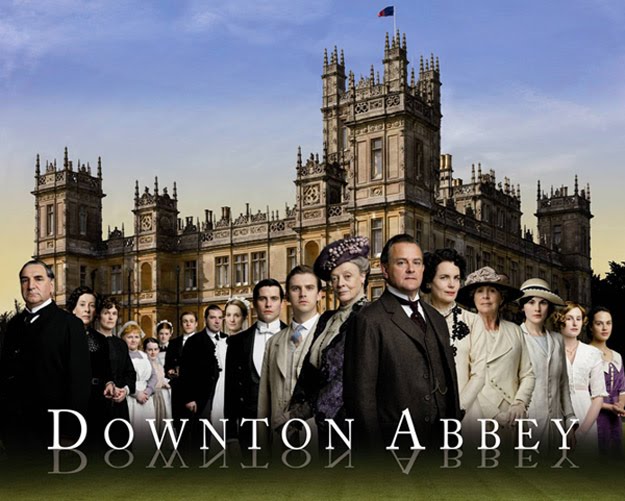
The GQ of Downton Abbey

Tags

, , , , , , , , , , , , , , ,


This is something I think may well become a regular feature of this blog, mainly because it seems to be something I do naturally whenever I watch something on TV. The basics are simple – take a non geek TV show or film and analyse the proportion of the cast who happen to have been involved in something else with geek credentials.

I have decided to name this concept the Geek Quotient. In fact, in the tradition of Mathematicians the world over, I would propose that it be dubbed the Lascelles Geek Quotient because my ego needs feeding. You can shorten it to LGQ if you like, or even GQ but with that option you risk both being confused with a popular fashion magazine and being glowered at by my ego.

The equation is rather simple:

Divide the number of actors in the cast who have been in geeky related shows by the total number of cast members.

So, why have I chosen Downton Abbey for the debut of this exciting new concept in geek mathematics? Well, I am of the opinion that this show will likely score high based on a rather cursory glance at the cast list.

For those who don’t know, Downton Abbey is an ITV period drama set in Yorkshire in a period (currently) between the sinking of the Titanic and the advent of the 1920s. It follows the inhabitants of the eponynmous stately home, both the noble family that owns it and their many servants, as they live through such horrific historical events as the first world war and the appearance of the telephone. As is normal for such period dramas, the cast is replete with quality British actors of the type who also often get roles in sci fi and fantasy both in the UK and Hollywood. Some are even rather better known for their geek roles than their involvement in this show…

Maggie Smith as Thetis in Clash of the Titans

Now, my calculation of Downton’s GQ is 0.633 based on examining the 49 cast members listed on ImdB and determining that 31 of them have a link to some geek TV show or film. This is assuming that ‘Geek TV show or film’ is defined as something with overt supernatural or science fiction elements. Pirates of the Carribean counts, for example, whereas Hornblower (which many of the cast do have roles in too) does not. This is not a surprising result given that the cast includes Maggie Smith (with credits as far back as the original Clash of Titans films and, of course, her recent geek cred from the Harry Potter films), Iain Glen (who is notable as Ser Jorah Mormont in Game of Thrones as well as Father Octavian in Doctor Who) and Penelope Wilton (excellent as Prime Minister Harriet Jones  in Doctor Who, not to mention Shaun’s mum in Shaun of the Dead) but also has

The beard makes him completely unrecognisable…

a number of people who have done one off guest appearances on various shows. For example, Jessica Brown Findlay, who plays the youngest daughter, was in one episode of Misfits and Hugh Bonneville, who plays Earl Grantham, was almost unrecognisable behind a massive beard as a pirate in a recent episode of Doctor Who. Out of all of these, many of which I spotted without recourse to the internet, one truly took me by surprise. For much of the series, I looked at the actor who played Sir Anthony Strallen (Robert Bathurst) and tried to work out where I had seen him before. Turns out he actually played the role of Todhunter in Red Dwarf as well as Prince Henry in the original series of Blackadder

Todhunter

Sir Anthony Strallen

So, there you have it. Do you think I have the calculation of this correct? Do you know of any other films or TV shows which might beat this score? Feel free to comment below…

Reposted: The Mighty Red Pen of Justice

Tags

, , , , , , , , , , ,


Ok, here is a copy-paste of my article from the Amwriting blog on editors and the love-hate relationship we have with them. Warning: It may contain incoherence and random insanity.

Inevitably, the nature of my blogging at the moment will revolve around new experiences. There is also likely to be a certain element of comparison of the writing life to that of a teacher. This entry is no exception….

Your friendly neighbourhood editorial team

Near the end of August (the 21st to be precise) my first novella, Transitions, is due for release. Up until now, my publishing record has been somewhat thin –a single short story in an anthology – but this release makes things a little more ‘official’. With the short story, the process was relatively simple – submit story, get letter of acceptance, get contract, sign contract and then wait for the process of publication to take place. I reviewed some proofs at one point and got sent the cover to go ‘oooh’ over but apart from that I had little involvement.

With Transitions it was a whole different ball game. With Transitions I had to deal with the most feared creature ever to walk the hallowed halls of any publisher… The Editor.

Writers have a love-hate relationship with their editors. On the one hand, the fact you have been assigned one at all means the work you have submitted meets that publisher’s standards, i.e. you are good enough to be published. They would not bother if your work was unmitigated tripe, you’d have been booted out the rejection door as soon as they looked at you (and, in fact, even a work that is up to the standard may get this treatment too…). On the other hand, you hate your editor because they are the person who criticises your work minutely, pulling at all the little flaws in your writing style and, possibly more horrifically, imposing upon you the dreaded changes that the publisher feels are needed. Now, don’t deny it…. I can see through your protestations that you co-operate with your editor and don’t mind the changes. Come on, admit it. Deep down, maybe hidden where no one but you knows it is there, you have that little ball of resentment. That little voice which says ‘but this is my baby, I worked hard at this, you can’t be so brutal to it you mean old person you!’ To paraphrase Pratchett, handing your work over to an editor is sometimes like bringing up a cute little pony, nurturing it, loving it, making it one of your family and then handing it over to a new owner and watching them ride off on it using spurs and a whip.

A renowned editor demonstrates the essential skills required at a recent editing conference.

I like to think I was lucky with my editor because I knew her before she was assigned. Well, I’d reviewed one of her books on epublish a book and she’d emailed me to thank me. So I knew that she knew what she was on about and we had a rapport already and that is always a good start.  I wasn’t too concerned when the file with her comments in it dropped into my inbox. Except that I had forgotten one thing…

You see, I actually wrote Transitions more than 5 years ago. Since then I have changed significantly as a writer, worked hard to lose some terrible bad habits and one thing my editor showed me was exactly how far I had improved. There were significant errors – point of view shifts, tense shifts, purple prose, repeated words… the list went on. Thing is, new improved writer me agreed emphatically with every single change because I knew that had I read them in a book I was reviewing or editing I would be scathing. However, at the back of my mind, naive young writer me was still there going ‘NO!!!!!!!! You cannot mess with a masterpiece of this quality you insane bitch!!!!!! All the quirks are there for perfectly respectable and reasonable reasons!!!!* Aieeeeeeeee!!!! I kill you!!!!!’**

Luckily, new improved writer me got together with sensible me and beat the living poop out of naive young writer me before any of those sentiments could express themselves in e-mails to the editor. I made the changes*** and was happy to do it because, frankly, you do what your editor says and then thank them for doing it. Reading over the completed work, I am glad that I did because the work is improved overall and has a definite professional sheen.

So, what has that got to do with teaching? I did say I would try to shoehorn that in somehow. Well, here’s a thing. Schools, especially primary schools where the fundamentals of the skill we call writing are first picked up, aren’t actually all that big on editing. They work hard on writing skills – grammar, spelling, punctuation, structure, all that malarkey but once a pupil hands in a completed piece of work at the end of the lesson that is it. They get it marked and returned with some comments but they do not get the chance to act on those comments save by not making the same mistakes in a future piece of work. Whatever mark they get for that work is what gets recorded. So, for pupils in schools there is a lot of pressure to get it right first time and no real experience of the subtle give and take of discussion between a writer and editor where perfection is attempted by a consensual process. The process of editing Transitions underwent consisted of several rounds, each one coming closer to the editor’s ideal. The pieces of work I have marked in my time teaching will never achieve that because they are forever locked in an exercise book, stuck in the same form they were when handed in with only my comments hinting at their potential. I do wonder if schools are not missing out on an important lesson in literacy – the importance of critical review and editing on achieving perfection in writing. Not getting it right first time is not a failure, just a single step along the path to your goal. Those who doubt the importance of editors should maybe take a look at some of the original first draft manuscripts by famous authors****. They can be very revealing about the changes most novels go through to get published. So, in conclusion, respect your editor and make sure you listen to what they say and when they spank your arse with a massive sheaf of notes pointing out all your shortcomings, be sure to say ‘Thank you, Ma’am, please may I have another’. It’s for your own good, after all.

*They weren’t, they really weren’t. They were the literary equivalent to masturbation – showy and flashy and not actually achieving much other than self gratification.

**Naive young writer me was always one for over use of alliteration. And overuse of exclamation marks. Not to mention extreme arrogance. Most of these traits have been firmly beaten out of my now.

*** Yes, even the one I struggled with because I had English characters in England using an English colloquialism that needed to be removed because Americans would have problems understanding it… That one *hurt*

**** Like the Photograph of the first page of the first draft manuscript of Lord of the Rings which can be seen inside one of Tolkien’s biographies (can’t remember which one, it was many years ago I saw it). It is hardly a clean and well structured piece of literature. Seeing that as a child gave me insight into how even a great writer often starts out with something that needs a lot of polishing before it is publishable.

Exciting new changes and a gratuitous dog photo

Tags

, , , , , , , ,


As some of you regular readers out there may already be aware, my rantings occasionally manage to escape out into the world via other blogsites. One of the sites I have been a regular contributor to in the past year or so has been the Amwriting.org website.

Gratuitous Dog Photo

Given that it seems a link on this blog to a post I did on Amwriting in August has only just appeared on some people’s RSS feeds (odd situation, I have no idea why that has happened…) I think I need to break some news in order to explain what is occuring because if you click the link to the ‘Mighty Red Pen of Justice’ article you will currently get a dead link.

Amwriting.org is currently on hiatus pending a pheonix like rebirth on the 1st of October, 2012. Today I have been sent various links and information to prepare me for this date when the site will reopen with some changes to how things are managed but essentially, as far as I can tell, still the same site. The archives, including all my old posts, will still be available on there. Currently, they are locked down so only a few of the bloggers from the old site like myself can access them but once the site goes live they will be made available to all and sundry.

I do not at present know if the links provided in my blog here will still work to link you to these archives or if you will need a new link. I will find that out when it goes live and will post new links if appropriate.

If anyone is really desperate to read The Mighty Red Pen of Justice, I suppose I can post a copy of it here for you to read. Look out for that later today if I can manage it.

In the meantime, enjoy the gratuitous dog picture provided above…

[Guest Post] What it feels like to be published by Julie Schriver

Tags

, , , , , , , , , , ,


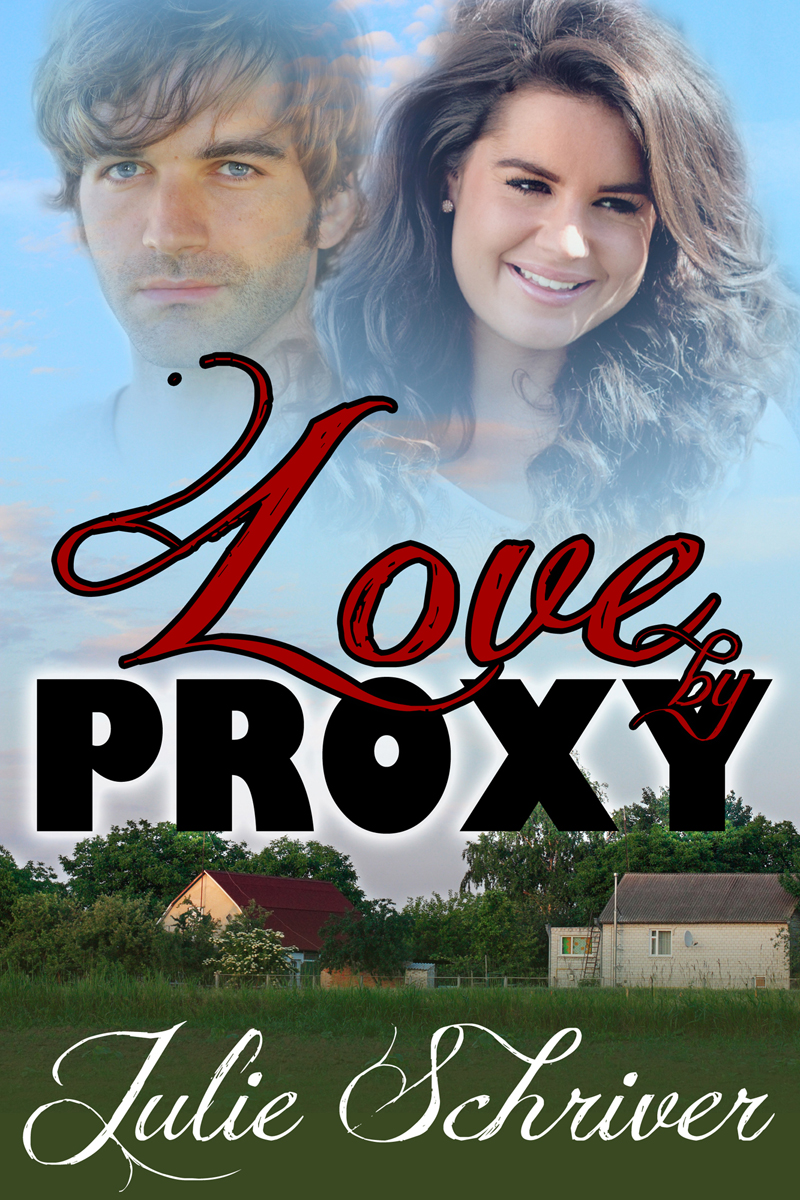
Today we have a guest post from Julie Schriver who is another of the authors contributing to the Shades of Love anthology and a member of the BBW Romance Writers group. Her story, Love by Proxy, is out now and available from this link. 

Hello, my name is Julie Schriver, and this is my very first  blog post. Hopefully, it won’t turn out to be just a confusing jumble of thoughts.

First off, I want to say thank you to David for allowing me a small voice on here.  You’re very kind to invite me to make a guest post, and I’ll do my best to not make myself look like an idiot.

As has been posted about previously, I am a part of the group of writers who has, with much hard work, frustration, and ultimately elation, finally realized the end goal of our endeavors.  Our paranormal romance anthology is being published by Mundania Press.  One story is being released per month, and later on all of the stories will be put together in one anthology.

For me, this journey has been an incredibly educational one.  I could fill a book with the things I have learned from the talented people I’ve come into contact with while being a part of this project.  I will be forever grateful for having known and worked with them, and I hope we will continue to remain friends even after this collaboration is behind us.

This will be the first time I’ve had anything published, (Thank you, Mundania!), but I’ve been writing, mostly for my own pleasure, since high school.  It’s always been something I’ve truly enjoyed, although I never dreamed I would actually write anything that other people would want to read.  The stories that I write are a part of me, not in a biographical sense, per se, but they have been wrung from my imagination.  For this reason, I was always too timid to share my “brain children” with anyone.  Joining the BBWRomanceWriters group and jumping into this project was a big step for me in overcoming my fears and putting myself out there.  Truly, it’s been one of the best decisions I’ve ever made.

My contribution to the anthology, Love By Proxy, is about a woman, Gwen, who’s always fought her ability to see and converse with spirits.  Everyone, even her own family, believed that she was mentally disturbed when she would try to talk to them about what she could see.  She was finally able to break away and build herself a new life far away from everything that she knew.  Armed with an art degree, she settled into a small town in Colorado and opened up a shop where she sells her own artwork.  She lives in an isolated, old farmhouse that she shares with a spirit named Rose, a saloon girl killed by a stray bullet over a hundred years ago.  It’s a unique friendship, but it works for both of them.

Gwen is finally happy, but that happiness is threatened when a developer, Evan, blows into town wanting to build a new residential subdivision right behind her home.  More people means more spirits will be attracted to the area, and she is terrified that she won’t be able to hide her abilities any longer.  Her fight to stop the development is a losing battle as the townspeople are very much in support of Evan’s ideas for the land.  It also doesn’t help that she’s beginning to have feelings for him.  She will eventually have to decide whether to stay and hope for the best or leave the place she’s come to love.

If you’ve read this far, thanks! I hope I haven’t bored you too much.  If you decide to take a gander at my story, I hope you enjoy it!

Free book!

Tags

, , , , , , , , , , , , , , , ,


This coming week sees a very special occasion in literature, an occasion that occurs once in every 10 blue moons (often referred to as a decabluemoon) and an event that is celebrated the world over by people in all walks of life*…

Yes, that is right, it is the first anniversary of the start of this blog on the 18th of September.

Almost one year ago (on the 18th September, 2011), I finally bowed to overwhelming pressure from my own ego to make my innermost thoughts public. It is also almost a year ago that my first publication hit the virtual shelves. With my second publication now out there in the world, it seems a good time to do a freebie giveaway.

So, now you can claim your absolutely free copy of The Curse. Just click this link!

What is The Curse, I hear you ask? Well, that is a very good question. When the BBW Romance Writers were getting together to write the Paranormal Romance Anthology that became known as Shades of Love and which Transitions is a part, we also decided to do what is known as a Round Robin story. This is a story where a group of writers collaborate on it. We decided on a broad story idea (a woman cursed with the gift of prophesy) then each of us took turns to write a section each, leaving the next person with a situation to resolve. This was done until we reached the natural climax. Then Judy Bagshaw and myself did a final polish on the story to make it publishable and were forced to learn more than we really wanted to learn about Creative Commons licenses.

The whole was topped off with a rather wonderful cover*** (pictured) created by the excellent M.S Fowle who deserves a lot of kudos for her efforts at making our writing look like a ‘proper book’. If you ever have a book you need a cover for, I would definitely suggest you consider talking to her about it.

So, that was how it came to pass that we happened to have a free ebook available to give to you all. Go on, click that link and download the Zip file that contains versions of this book for many different ebook formats. Then try to guess which of the authors wrote which of the bits….

* Well, Ok, it occurs once a year and is probably celebrated by very few people and not the world over** but don’t tell my ego that, please, it does enjoy its little illusions and gets stroppy when it is thwarted.

** Though I do have a special shout out to those of you in Panama, Peurto Rico and the Ukraine who seem very interested in what I am saying here *waves*

*** Actually, she made us three covers, that is how dedicated she is. If I can get permission from her, I will post the other two covers for you to look at ‘what could have been’.

[AW Blog chain post] Seven

Tags

, , , , , , , , , , , , , , , , ,


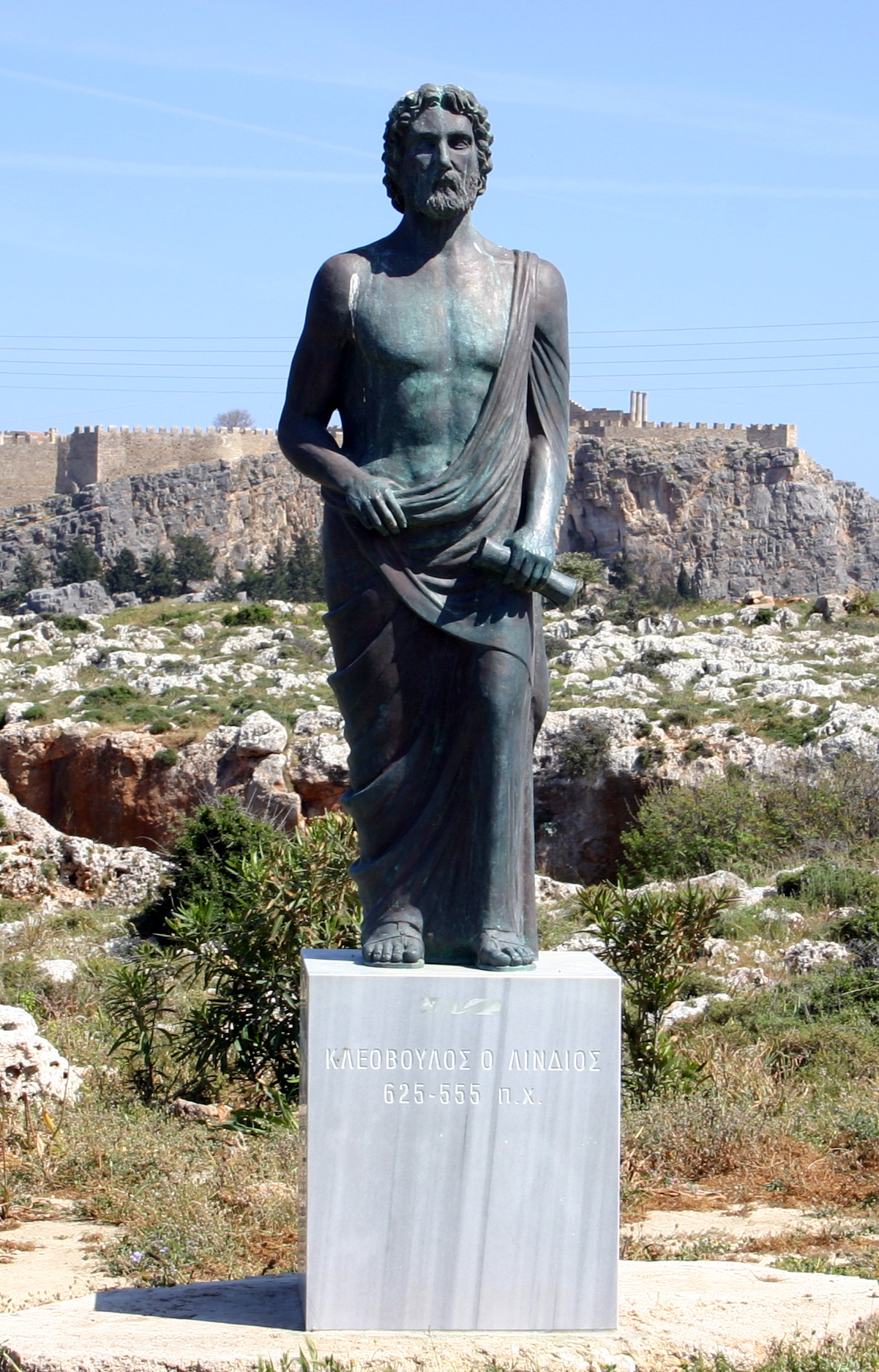
The number seven has a lot connected to it: Virtues, Sins, Samurai, Sages (in both Greece and China), Dwarves and Brides (with an equal number of brothers to accompany them). There were also seven Kings of Rome and equally seven emperors not to mention Shakespeare’s ages of man, Gaiman’s Endless, Tolkien’s Valar (and stones and stars and Dwarf kings, but only one White tree) and Martin’s Kingdoms of Westeros… At one point there were also seven Doctors in Doctor Who but recently they seem to have acquired some more from somewhere. We could also talk about Seven of Nine, Blakes Seven or the fact that 7 inches is the diameter of a 45rpm gramaphone record…

One of the Seven Sages of Greece – Cleobulus of Lindos, one time Tyrant of Lindos

But what I want to talk about is none of these. I actually want to talk about one thing I have missed from that list above…

Yeah, ok, I have missed a lot from that list because 7 is a very common number in a lot of things. However, I missed one thing that is obvious and probably should not require you to check the same wikipedia page I have been looking at to know about it. What I want to talk about are the seven wonders of the ancient world.

I’ve always been fascinated by these, ever since hearing about them at primary school. Things so grand and over the top that their reputations have lasted thousands of years. Of course, I am sure you all know the names of the seven ancient wonders, but just in case here is the list:

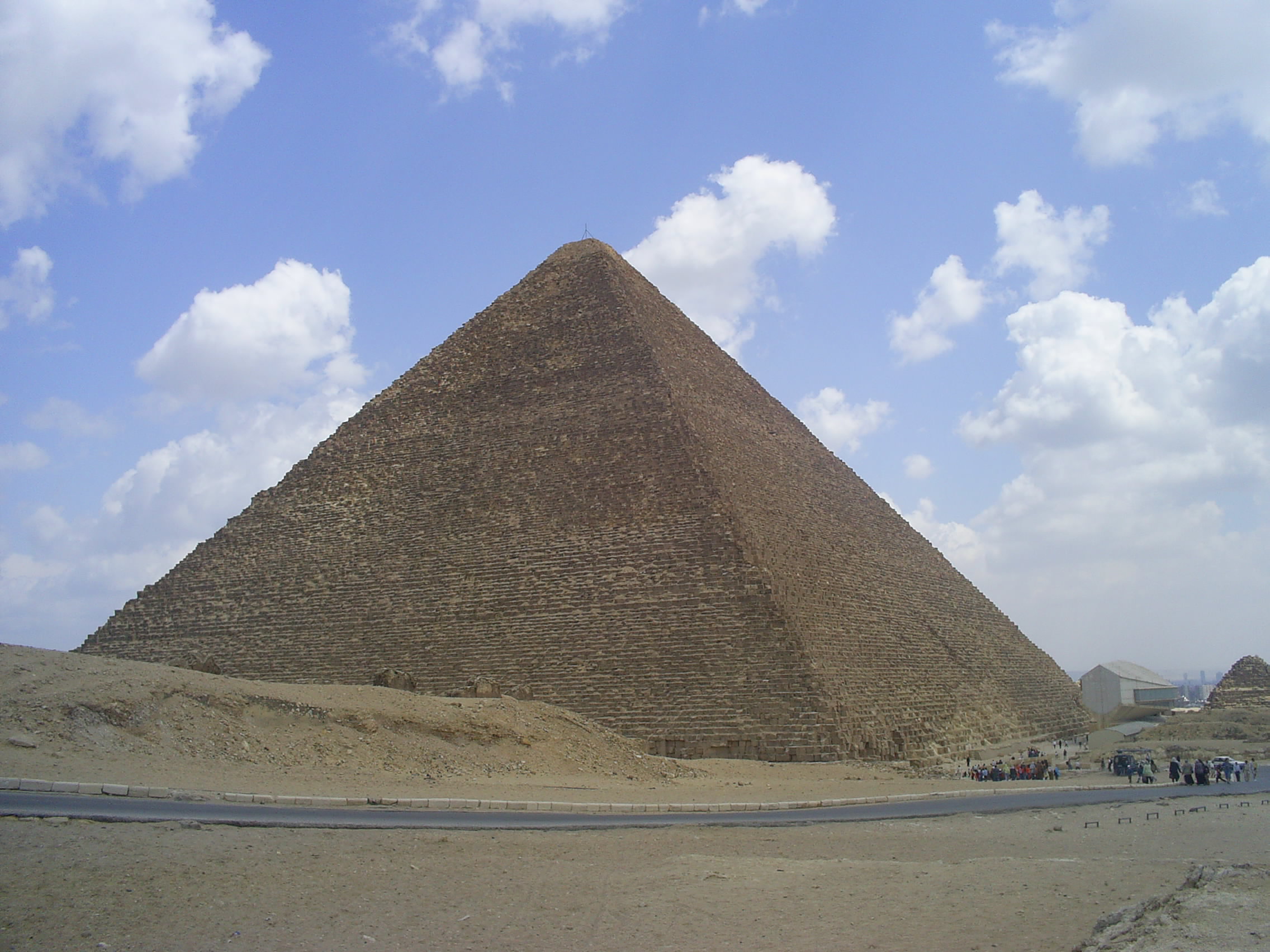
The Great Pyramid at Giza, the Hanging Gardens of Babylon, the Temple of Artemis at Ephesus, the Statue of Zeus at Olympia, the Mausoleum at Helicarnassus, the Colossus of Rhodes and the Lighthouse (or Pharos) of Alexandria.

It is interesting to note that two of them are graves (the pyramid and the mausoleum), two of them are examples of great feats of engineering for the time (the Hanging Gardens and the Lighthouse) and another two are of religious significance (the temple of Artemis and the Statue of Zeus). The odd one out is the Colossus of Rhodes which is a statue of a Titan which might therefore be considered ‘religious’ but is a bit of a weird one and could also probably count as a ‘feat of engineering’* You could therefore argue that the wonders were indicative of the interests of the cultures in those periods.

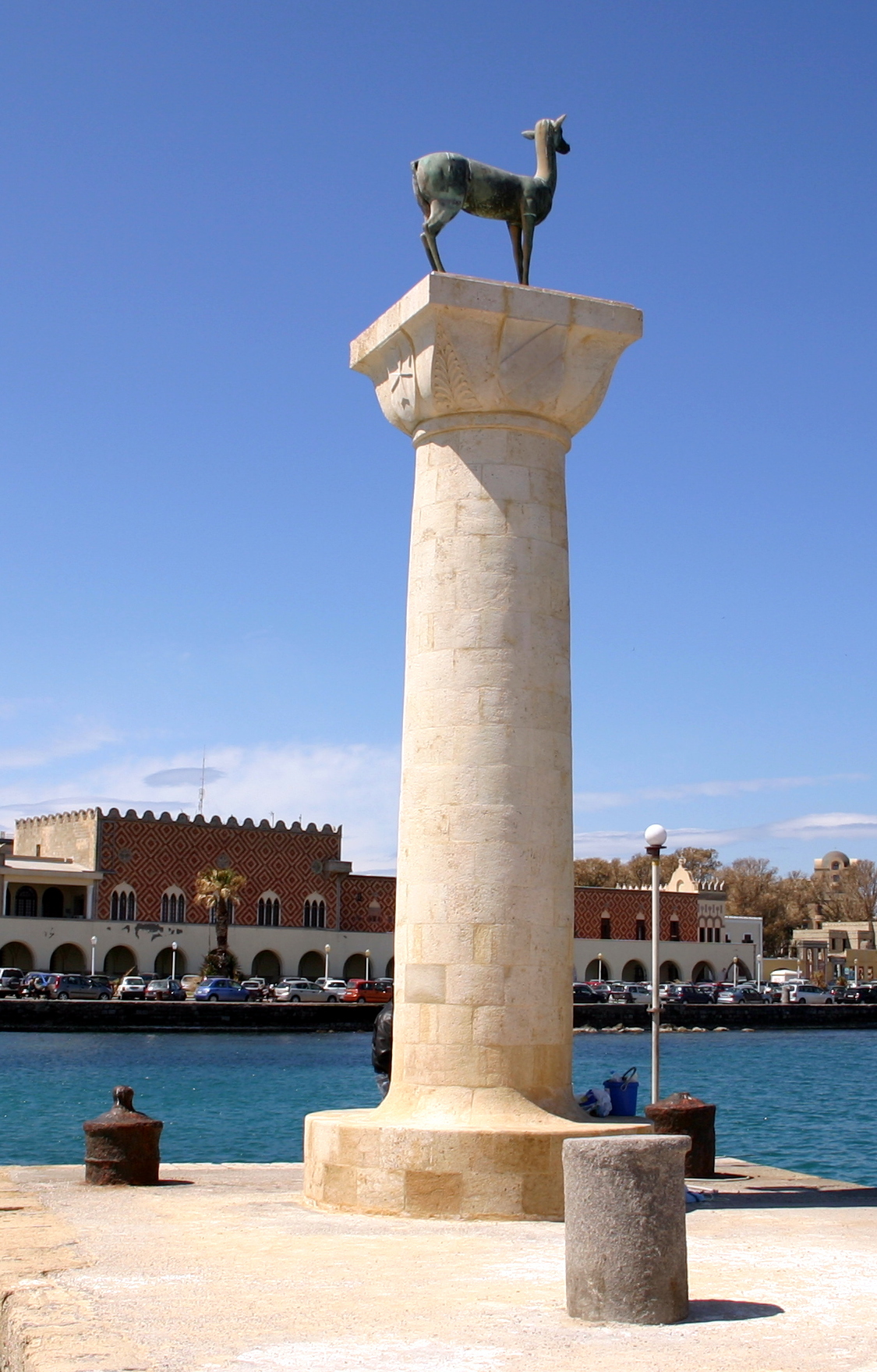
In my life, I have visited the sites of three of these monuments. I went to the outskirts of Cairo to visit the Pyramids on my Honeymoon and while I did not go into the Great Pyramid itself because of the massive queues, I did see it and went into one of the lesser ones. Quite a humbling and frightening experience – small, cramped tunnels, the ever present sensation of all those tonnes of rock above and around you. Even if you are not claustrophobic you begin to get a feel for what it is like to be claustrophobic. If you are claustrophobic, I suggest you think more than twice before going in. I also visited the island of Rhodes a few years back and saw the pillars on the mouth of the harbour of Rhodes Old Town which are supposed to indicate where the two legs of the Colossus were as they stradded the bay. I have also been to Turkey and wandered around the ruins of Ephesus, including the Temple of Artemis that was there.

One of the two monuments on Rhodes harbour indicating the possible positions of the feet of the colossus.

Of the four I have not visited, at least one is probably not accessible at this time, being in the middle of what was until recently a warzone, and may well have been a legend rather than something that actually existed**. Of the remaining three, I have seen some of the statues that were purported to come from the Mausoleum in the British Museum and there are fragments of the temple of Zeus in the Louvre, which I have also visited though apparently nothing remains of the statue which was the true Wonder***. Finally, the site of lighthouse, the island off Alexandria known as the Pharos, is still there though the lighthouse itself was finally destroyed by an earthquake in the 15th century. Maybe one day I will manage to visit the sites of these. You could argue that it is a shame that these great feats of architecture were allowed to fall into ruin. However, you could also say that it is a testement to the skills of those builders that even fragments of some of them still exist today never mind almost complete structures of one of them.

*Of course, they are all feats of engineering because of their sheer scale…. but the Pharos and Hanging Gardens are examples of someone applying a scientific principle – the use of light in navigation and the use of irrigation to turn a desert into a garden – to a practical use.

** If they didn’t, then the walls of Babylon almost certainly did and apparently also qualify for Wonder status

*** There are varying stories about the fate of the statue. Some claim Caligula ordered it beheaded and replaced with his own head, others that it was lost in a fire either at the temple itself (in 425AD) or in Constantinople in 475AD.

Yes, this is a blogchain post and that means consequences if you do not follow through and read all the other entries in the chain. This month’s comedy punishment is to be buried under 200 tonnes of masonry in a desert somewhere. So that is something for you all to look forward to enjoying…

Participants and posts:
orion_mk3 – http://nonexistentbooks.wordpress.com (link to this month’s post)
Ralph Pines – http://ralfast.wordpress.com/ (link to this month’s post)
bmadsen – http://hospitaloflife.wordpress.com (link to this month’s post)
writingismypassion – http://charityfaye.blogspot.com/ (link to this month’s
post)

pyrosama – http://matrix-hole.blogspot.com/ (link to this month’s post)
areteus – https://lurkingmusings.wordpress.com/ (link to this month’s
post)
randi.lee – http://emotionalnovel.blogspot.com/ (link to this month’s
post)
BBBurke – http://www.awritersprogression.com/ (link to this month’s
post)
BigWords – http://bigwords88.wordpress.com/ (link to this month’s
post)
meowzbark – http://erlessard.wordpress.com/ (link to this month’s
post)
SuzanneSeese – http://www.viewofsue.blogspot.com/ (link to this month’s
post)
AFord – http://writeword.blog.com/ (link to this month’s
post)
Kricket – http://kricketwrites.blogspot.com/ (link to this month’s
post)

[Guest Post] How do I write a book? By Andi Katsina

Tags

, , , , , , ,


Today’s guest post comes to you from Andi Katsina, a British born writer who has spent a lot of her life in Manchester but who now lives in Panama… later there will be an interview with her and her full bio. For now, however, here is an article aimed at absolute beginners – the basic fundamentals of novel writing with some tips on how to make it seem easy.

How do I write a book?

By Andi Katsina

Countless readers have told me they too have a great idea for a story, and have wanted to write a book for a very long time. My reply to them all is the same; you can do it if you really want to! More often than not that reply is often met with the admittance, ‘I do want to, but I don’t know how to go about it.’ To all of you who really do want to write a book but don’t know how, this is for you.

First and foremost, don’t be overwhelmed by the prospect! Secondly, believe that you can do it!

So let’s take it from there….

Having developed your idea into a coherent stream, you must further mold it into a story. Giving it a beginning, middle and ending is the easiest approach. Using material for a topic you have a strong desire to talk about can also make this first stage easy to achieve.

Now, if you have your idea but don’t yet have an ending, fear not. Start with what you have, be that a ‘beginning’ or a ‘middle’. You have your story, or part thereof, now you must organize it into an order that will afford the reader the greatest understanding.

A good way of keeping your story on target, getting from the beginning to the ending, is to use chapter headings. At this stage in the process don’t be worried if you don’t have any chapters, simply think about your story and the logical way you want to relay it. There’ll be naturally divisible sections, places where you can break the story down; possibly a change of location, change of activity or the introduction of new characters. These things don’t always warrant a new chapter, but if you’re struggling to find suitable breaks in the story, these can be good chapter openers. As for those of you who do have chapters, you’re well on the way.

So, make a list of your chapter headings, numbering and naming each one. Yep, do not worry if you don’t have names for your chapters, if you do have, you’re almost ready to write. No chapter names? Then just go with numbers. Really guys, if you want to write a book, let’s eliminate the things that you think are there to stop you .

I personally think this next part of the process will really put you on the road to writing your first book. It’s very easy, though I ought to mention at this point that there’s a wide array of techniques  writers can choose from in order to get set up to write their next book. The method detailed here is extremely easy and you can do it, if you really do want to write a book.

Choose a word processing program, Open Office  (free), Microsoft etc. Open up a new blank document and then write in big bold letters, the title of your story, aligned in the centre of the page. Directly underneath that write, by  your name.  Insert lots of paragraph spaces and then type the word; Chapters, large, bold and aligned to the left of the page. Below this word insert your list of chapters with number and names. I tell ya’, that’s gonna look good, and it’s going to make you feel as though you’re about to create something rather special. At this stage you shouldn’t be concerned with formatting, sales, promotion or readership. These aren’t the considerations that drive real writers, a genuine writer writes to tell the story. We are storytellers. Everything else, apart from formatting, is a bonus.

Of course formatting will come into play, importantly so. However, if you’re new to all of this, then I strongly advise you to leave it aside until you finish your book. Wrestling with an unfamiliar word processing program can be time consuming, and if you haven’t even started writing, it can throw a spanner in the works and put you off ‘lifting the pen’. Maintain a standard amount of formatting as you type, this is easy to do, and please ensure you use page numbers. Admittedly if you’ve only written ten or so pages, you can scroll back and forth if you need to recheck a sentence. However, if you have fifty, a hundred, or a hundred and fifty pages, trying to scroll through your manuscript without page numbers… you get the message. To insert page numbers, go to the ‘insert’ tab along the very top of the screen, in between view and format, usually, you should find the insert page numbers option under that menu. Another tip, just a thought, if you do need to find something, a word, phrase or sentence; go ahead and use the ‘find’ facility, usually ctrl + F will bring this up for you.

If you want to dedicate your work, make a space in between by your name and Chapters, insert Dedicated to ——. The best way to do this is to use separate pages, but this is not essential.

Now, insert more paragraph spaces taking you way below the list of chapters, or simply break to the next page and type Chapter 1 in big bold letters. Underneath that, also in big letters, you can write the name of the chapter. No name yet? No problem, simply insert a short line of dashes, each time you see the dashes it will spur you on to coming up with a chapter name.

So as to be forward thinking, and also to give yourself a sense of progression, insert a load more paragraph spaces and then write Chapter 2, again in big bold letters, and again underneath that write the name of the chapter, or dashes. Repeat this until you have a tidy row, with big spaces in between, of the chapters, number and name, or dashes. For the last chapter, you can write the chapter number + Conclusion, if you like, again insert the chapter name, or dashes, immediately below.

Amazingly simple. You now have the basic structure of your manuscript, showing the beginning, middle and ending of your book. Let me show you an example:

Rick & Wylie’s Fantastical, Magical Adventures book 1

:: by Andi Katsina ::

Dedicated to ::

Chapters (Contents)

1) Dad!

2) Hawaii

3)….

:: Chapter 1 Dad! = write the text for this chapter here

:: Chapter 2 Hawaii = write the text for this chapter here, and so on until all the chapters are completed….

:: Chapter 12 The Vupan Juniper Forest

:: Chapter 13 Rick’s Resurface

:: Chapter 24 Conclusion Dad!! Fin.

The only thing you need to add to the structure you’ve created is words, and I have great confidence that you can do that, if you really want to.

Begin by writing a few lines beneath Chapter 1. Or, if you are not able or willing to begin with there, select another from your contents  list and find the corresponding chapter number in your manuscript construction outline. Voilà, begin typing a few lines below the chapter name.

I told you not to worry about not having an ending to your story. No ending? Please do not let this stop you. A great many writers begin writing with no ending in mind. Ordinarily, what usually happens in these circumstances is that as they write the story they become directed by its contents, continuously being edged on to chapter after chapter, and before long even the ending pleasantly presents itself.

If you’ve always wanted to write a book, please understand that you can actually choose to write the book instead of simply wanting to, the choice is yours, my friend.

The very best of luck, you are about to write your first book : )

So, you want to write your story down and turn it into a book… a novel? Let’s get started then!

I hope this is useful. Happy storytelling.

Kind regards Andi Katsina Author of  Rick & Wylie’s Fantastical, Magical Adventures www.theindieoracle.com

Readers can purchase the book in hardcopy ; http://www.amazon.com/gp/product/095557952X/ref=as_li_qf_sp_asin_tl?ie=UTF8&camp=1789&creative=9325&creativeASIN=095557952X

or e-version ; http://www.amazon.com/gp/product/B00585CJSS/ref=as_li_qf_sp_asin_tl?ie=UTF8&camp=1789&creative=9325&creativeASIN=B00585CJSS
Photoshoot II: Attack of the texting Zombies (with Romans)

Tags

, , , , , , , , , , ,


For a lazy and disorganised person like myself, being a shoot director is HARD. You have so many things to think about – models, costumes, make up, timings of the shoot, positions, locations… There is a lot to organise.

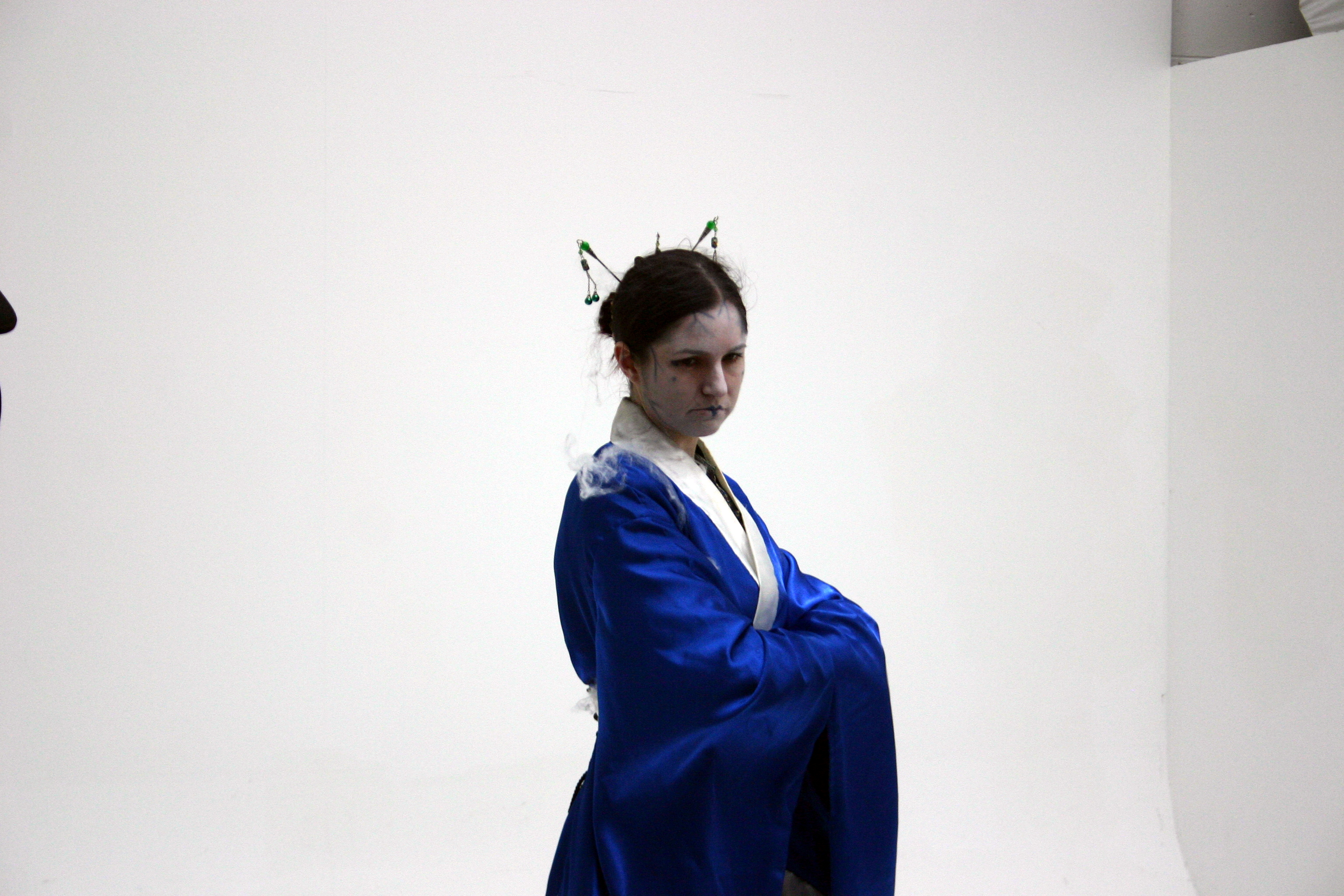
Onryo Necromancer played by Wednesday

Thankfully, as a lazy and disorganised person I have over the years spent much time developing an invaluable skill – delegation. Using this extremely useful ability I was able to fob off all the difficult bits to other people, not least onto the head of Jessica Newey who so ably performed duties as model for the Empress at the previous shoot and was now serving as Make Up Director, Warderobe Mistress and general maintainer of sanity …

However, one issue I could not solve was the weather.

I seem to talk about the weather a lot on this blog, most recently in my Fire and Ice entry where I talk about the extreme storm we had. The reason is because the UK and Manchester in particular is known for its chaotic and unpredictable weather patterns. In the case of this photoshoot, the weather was doubly critical because we intended to go outside and shoot in a local woodland.

So, with everything planned and prepared to meticulous detail, our only wild card factor was whether the rain would stop play.With models coming vast distances (well, vast in UK terms, ‘just down the road’ in American terms and ‘from next door’ in Australian) we needed to make a call to cancel as soon as possible to avoid unecessary trips. However, the weather reports were sketchy and unreliable and we oscillated between joy at a reasonably clear report and despair at one which showed storms. With photography equipment costing something up to the budget of a small South American state at risk we realised we would have to cancel.

The Minidress hits Elf botiques this autumn… Alex poses with half her costume

But then PLAN B was mooted! There was a suggestion from the photographer that as everyone was already free that weekend, no one seemed to be free for any other weekend in the near future and the studio we used last time was free we could shift plans and do it in the studio where rain was not an issue. It only took a minor bit of plan jiggling and suddenly we were on again!

Saturday morning dawned bright and sunny. Yes, the predicted rain and storms were not to be seen, the skies were clear. Cursing whichever deities or Meteorologists were to blame for the inconsistancies in weather reporting, we headed into deepest, darkest Yorkshire. All the way there I kept wondering if we should have reverted to plan A because the weather was fine but at that point we had already gone too far.

Luckily, we were justified in sticking to plan B because midway through the day there was a massive rainstrom that took everyone by surprise…

Look… no rain. Or trees… Rich in the studio

Now, the studio, with its convenient roof, solved the pressing issue of the equipment getting wet… However, the plan was to shoot in a woodland and the shots were arranged to suit this. Generally speaking, you rarely find trees or other woodland foliage inside a studio. I had assumed that the photographer was planning to repeat what we did before – single shots of characters against a black backdrop. However, I was wrong. His plans were far more ambitious.

His idea was to do some compositing. Essentially, take photos of all the models in costume against a white background and then superimpose them onto the backdrop of our choice. It requires a lot more editing work than simply doing it in a real woodland but it was our only choice at present and, besides, I think he relished the technical challenge. More to the point, while the layout of the shots I had planned called for two or three figures in each one, his plan was to shoot each figure individually against the white background and work from that to get the required vingettes.

Personally, I have doubts as to whether this will work or not. However, I am willing to wait and see what the final results look like. Past results where I have doubted have been awesome.

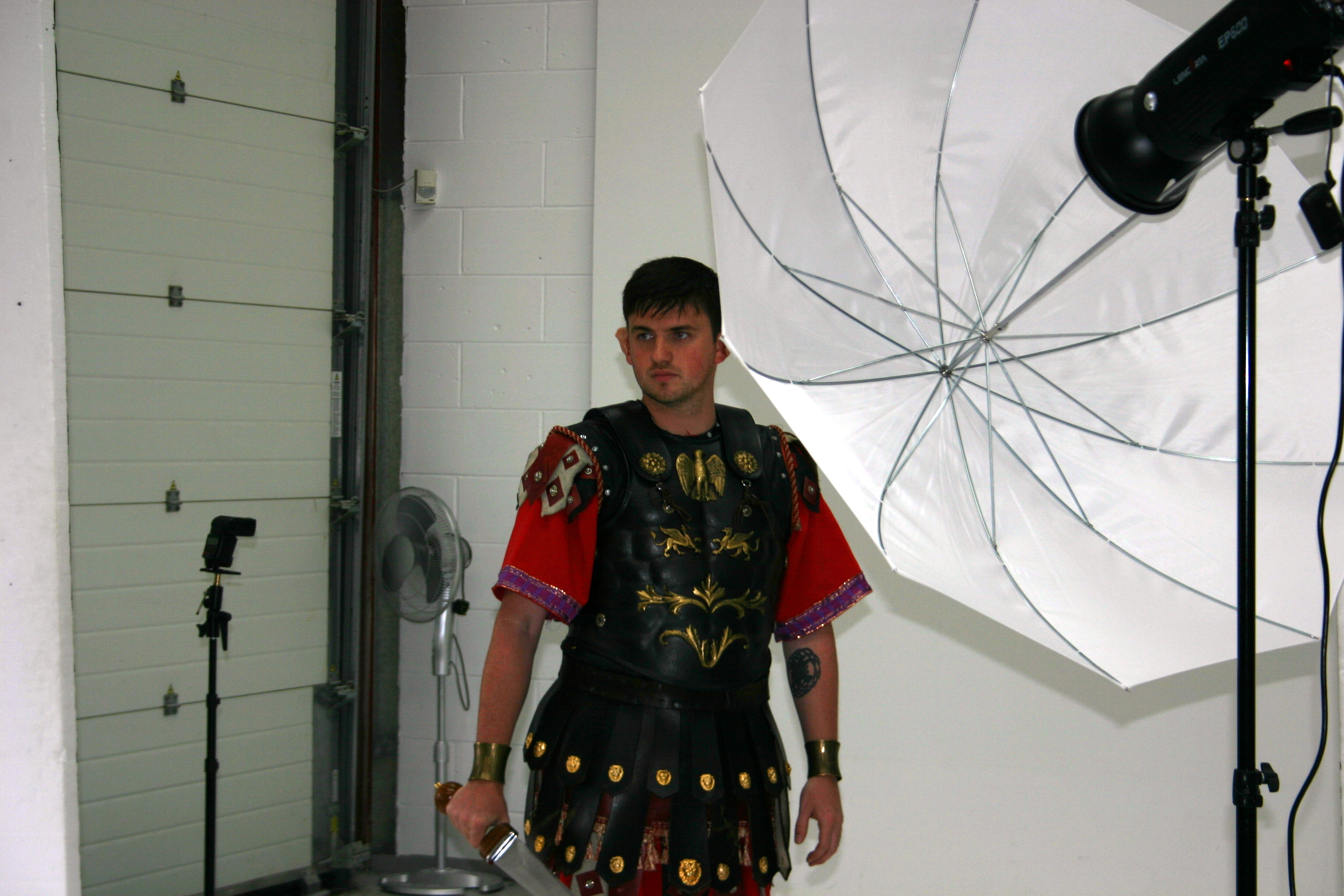
There were two vingettes I wanted to see. One, possibly the simplest technically, was an image of the three Vaetari Audenti – the historic leaders of the elven race in Realm. This required two female models and one male dressed in the Roman style costume. This required little make up other than a pair of latex elf ears each. The second was to represent the Onryo – the cursed undead race with a distinct Japanese theme. This involved a significant amount of make up.

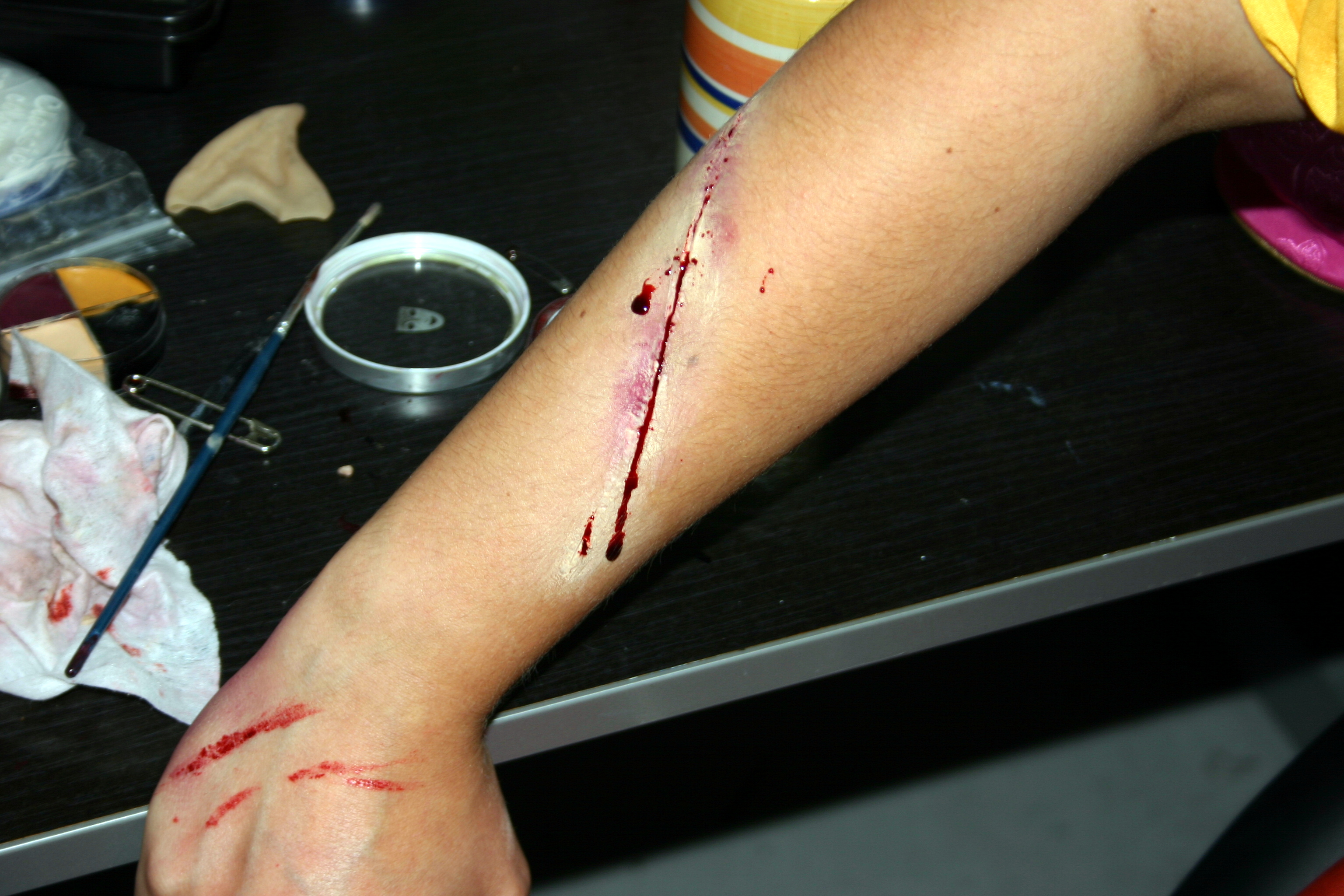
Injuries

While Jess fussed around with costume and make up, creating some wonderfully realistic wounds, the photographer worked on the lighting. This took even longer than it did for the previous shoot as he needed to get a completely white background without shadows. This was not as easy as you might think and probably needed at least one more light to properly drench the area but after a lot of faffing he finally achieved it.

There was then the same process there had been last time of posing and taking shots, critically appraising them and suggesting changes. However, because we had a lot more figures to shoot, this process had to be more condensed to allow time for all the subjects to be covered. There was also the added complication of pondering how the figures would eventually be placed in the final vingette.

While the models were waiting for their turn in front of the camera, there were a number of activities to keep them amused. Some read, some slept, some played with mobile phones and some posed for joke shots as 1960’s style elves…

21st Century Zombies all have smart phones

By the end of the day, we were all exhausted but left the studio with a sense that we had created something great in our time there. Now it is just a question of waiting for the shots to be edited…. Once that has happened, I will post more on the subject.