So, here we have Rose Jones with her guest post… take it away Rose!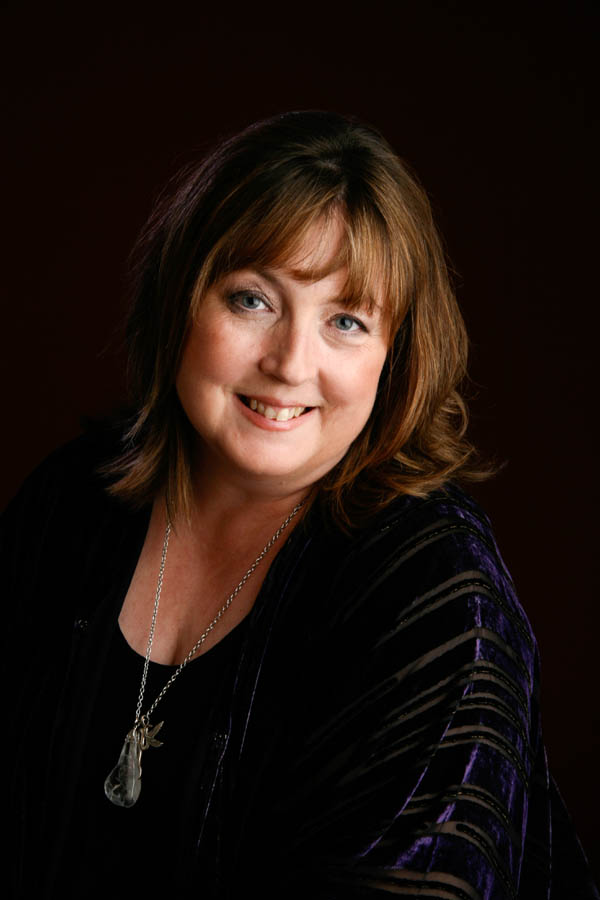
Any topic he said, well I mused for a while and came up with this.
Are Writers Solitary or Social Creatures?
No wonder the astrologers say that Geminis should be writers. It’s not just that Mercury, the messenger of the gods is our ruler, it’s the fact that there are two sides to us – twin aspects to our nature – and that is very true of writers.
We need to be sociable, or at least out there in the world observing how things are, how people relate to each other and how they deal with the milestones (or millstones) of their lives. We also have to lock ourselves away from all that and look inwards, sitting alone with our note books or computers in order to create a fictional version of the experience alphabet soup we have ingested from the world outside.
 All writers have their own way of getting their ideas down on paper. Some plan their story structure in minute detail, while others myself included, prefer to paint with broad brush strokes and see where the ideas take us. But why do we feel the need to regurgitate reality into something that is fiction? I believe it is an integral part of what makes us human beings. Storytelling is a way of passing on knowledge and information. That information can come from a real experience or by the example of a creation, a parable to explain something in the world, or an example to follow. It is both a sociable and a solitary pursuit. It doesn’t have to be real, but it is very real to us, the writer.
To me, all the world’s a stage. I pick up snippets here and there. Sometimes I note them down or write snatches of dialogue that come to me as I’m driving to work. Maybe a character name will pop up when I’m writing an email, or something happens that gets a cathartic release in my writing. Sometimes I wake up in the night with a solution to a plot hole. It’s going on in my subconscious all the time, building and growing until I have enough to work with.
Sometimes these babies are easily born. I have been known to write a 5,000 word short story straight off, but more likely they are dragged kicking and screaming into the world. Sometimes they’re stillborn. There’s usually a reason for that. Some ideas never reach maturity and some never should.
When we are birthing a story we need to be alone, to enter our fictitious world and be embraced 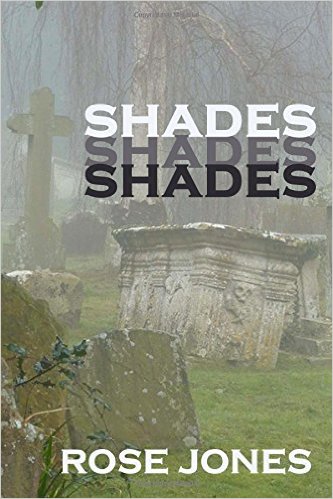 by it; to get into the minds of our characters and to become them as they follow through with their lives. Once we’ve finished we need to get out there again, because no man (or woman) is an island. We need to polish, to hone and to share. This is where the writers group comes in. This can be a group of like minded people meeting in a pub and discussing each others’ work, but it can also be a group of people meeting in cyberspace, like the Dragon’s Rocketship, of whom I am proud to be a member. The best of these groups help each other out, the worst bitch and criticise because some egos believe they are writing profound literary fiction. Me, I just like telling a story. If your audience doesn’t understand it, you not they are missing the point.
However precious your babies are, you have to eventually let them fly the nest, otherwise why bother to make them in the first place? A story is for sharing, not just for keeping in a drawer. Like real children they’re a representation of you and don’t you want the best for them? This means making sure that what you release on the world is the best it possibly can be. This means getting your work checked over and edited, fixing the problems and presenting it in its best possible clothing. Most of all, you need to know when to say it’s ready and let it go. Then all you have to do is sit back and worry about all the marketing you need to organise to get it noticed. Oh, and hopefully you might eventually get paid something for all those late and sleepless nights!
Bio:
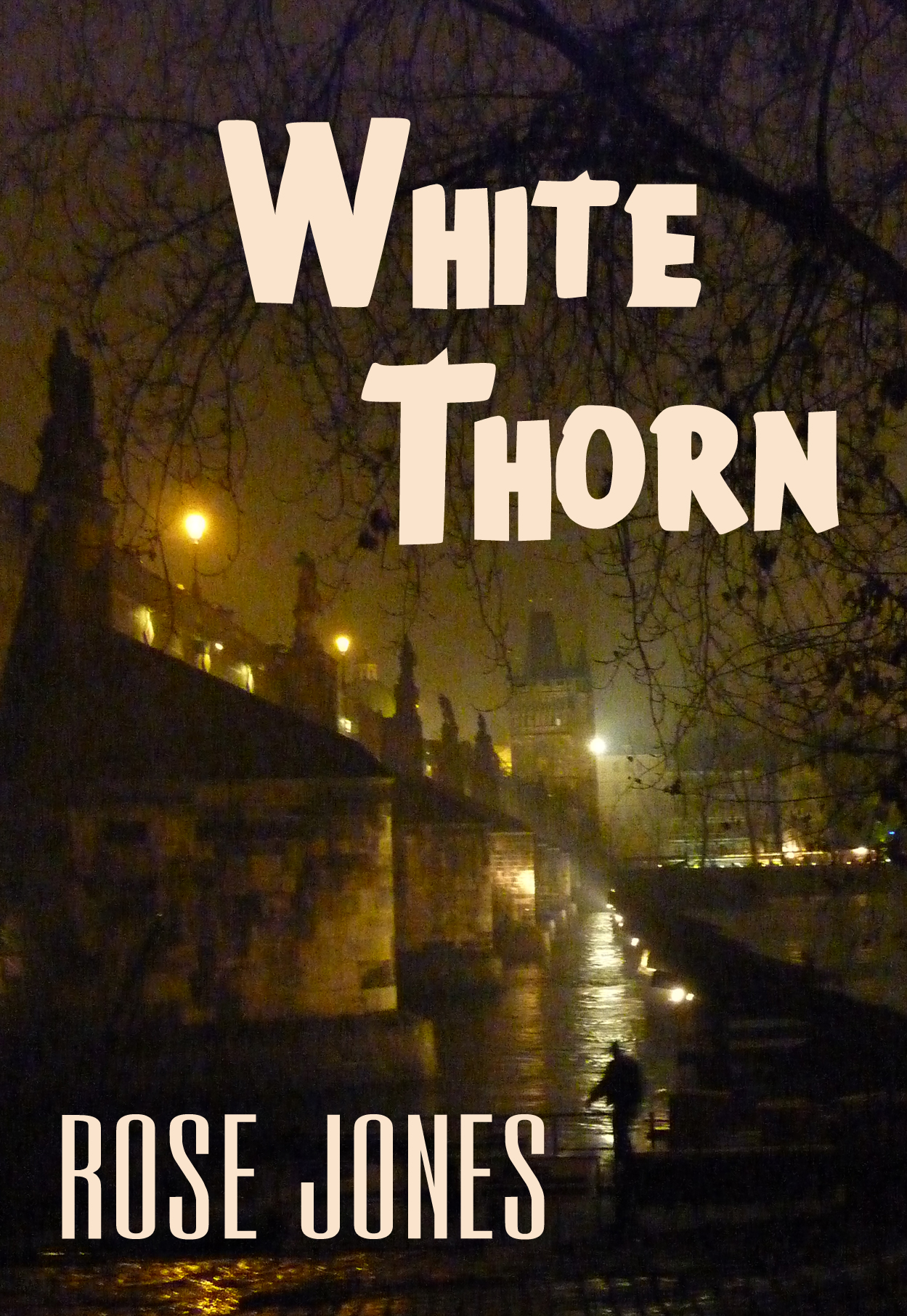
Rose has been putting pen to paper and fingers to keyboard all her adult life. She lives near Bath, UK with her ‘rocket scientist’ husband and a house full of books and quirky stuff. She considers herself to be a recorder of moments in time and is a keen photographer as well as a writer. The picture for the covers of her books were taken by her. She has a Masters in Cultural Astronomy and Astrology and a love of all things mythological, paranormal, really ancient and really futuristic. She loves to travel, both in body and mind. She doesn’t really mind where, so long as it’s interesting and there’s something to learn.
Amazon links: Shades http://tinyurl.com/qylkmgu
House of Lilith http://tinyurl.com/lamo3vp
Amazon Author page: http://www.amazon.co.uk/Rose-Jones/e/B00ENITHNQ













 But that issue is only part of what I want to talk about here. The main focus of this post is that weird transition between myths and history. The events in the Iliad and Odyssey, for example, combine elements of both.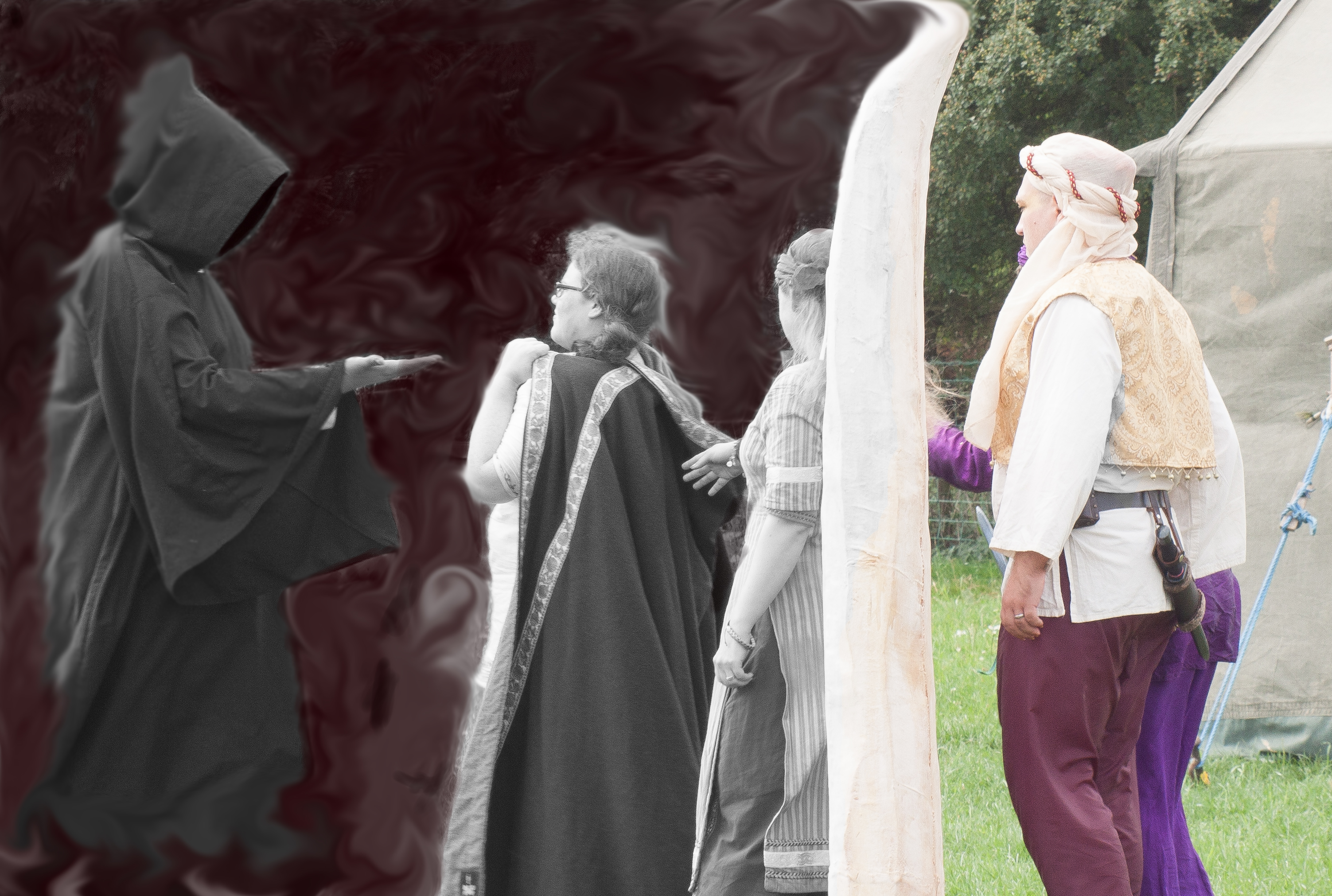
 Also, I guess you can say there is precedent (Classical Precedent at that, you cannot get much more venerable that Homer***) for allowing your characters to be idiots. Always a good way to progress a plot and make readers shout ‘No! Don’t do that, you idiot!’ at the page while they read.

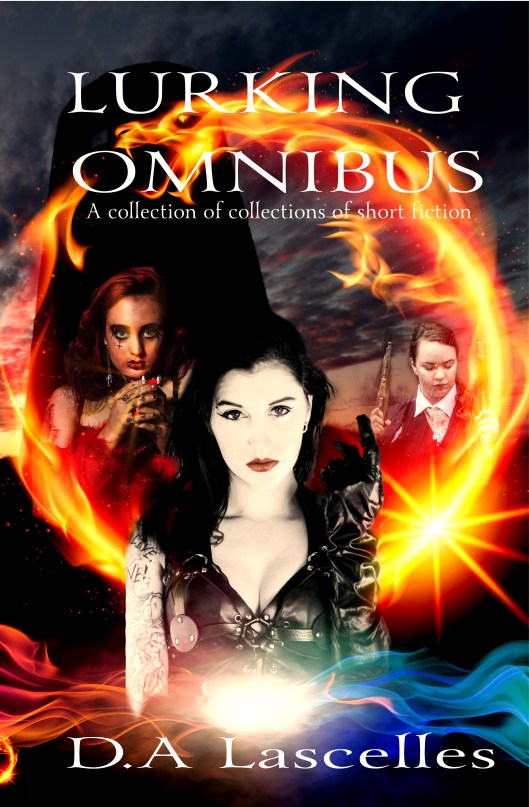
 Lurking Musings